Paramount Buys Warner Bros. Could Hollywood’s Next Big Screen Be a Hologram?
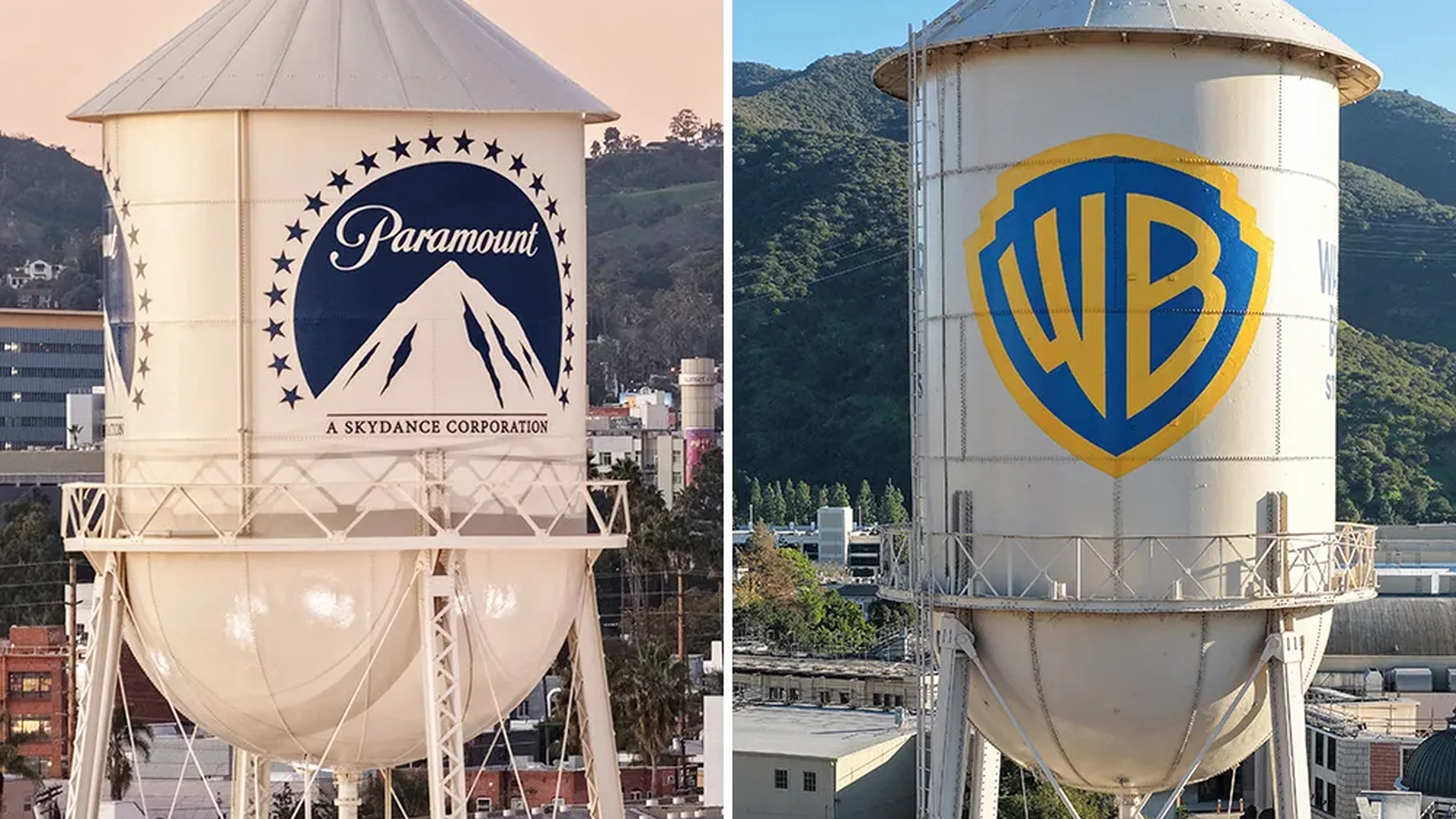
The deal brings together some of entertainment’s most recognisable worlds. It also raises a bigger question: how can those worlds reach audiences beyond cinemas and streaming?
Imagine walking through a shopping centre and seeing a familiar film character standing inside a life-size hologram display.
The character moves, looks towards the audience and introduces a new adventure. A family stops. A child recognises the face. Nearby, a retailer stocks products from the same franchise, while the cinema upstairs is selling tickets to its latest release.
That is a possible campaign concept, rather than an announcement from a studio. But it illustrates why the combination of Paramount and Warner Bros. matters to businesses working at the intersection of entertainment, physical retail and advertising.
Hollywood’s stories already travel far beyond the screen. Hologram displays could give them another place to appear.
Two studios, an enormous world of stories
On 6 October 2026, Paramount Skydance completed its acquisition of Warner Bros. Discovery, creating a combined company called Skydance.
Its portfolio spans Paramount and Warner Bros., HBO and Nickelodeon, alongside franchises including Harry Potter, Top Gun and SpongeBob SquarePants. In its completion announcement, Skydance committed to at least 30 theatrical films annually, each with a minimum 45-day theatrical window.
Those are company commitments. Their relevance to physical marketing is our interpretation: a substantial release calendar creates repeated occasions to introduce stories, refresh campaigns and give audiences a reason to visit.
A trailer can introduce a film. An encounter with a character could make that introduction feel personal.
The commercial life of a character
The connection between entertainment and shopping is already a substantial business.
According to Licensing International’s 2026 Global Licensing Industry Study, global sales of licensed merchandise and services reached $389.8 billion in 2025, up 5.45% on the previous year.
Within that total, the Character/Entertainment category generated $161.8 billion in retail sales, growing 8%. Licensed toys alone accounted for $46.4 billion across the study’s product categories.
These are sales of licensed goods and services across the industry, rather than revenue belonging to the newly combined company. They show the scale of the commercial activity surrounding the characters audiences love.
A film can create demand for a toy. A television series can inspire clothing, collectibles or a themed experience. A familiar character can connect products that would otherwise sit in separate departments.
For retailers, the opportunity is to make that connection visible at the moment someone is deciding what to buy.
A hologram campaign could place a moving character beside a licensed product range, introduce the story behind it and point shoppers towards the relevant department. The creative has a job to do: connect recognition with an action.
The audience is already out in the world
Entertainment marketing has good reasons to extend beyond the phone.
People travel, shop, meet friends and visit cinemas. These are moments when a campaign can be experienced together, with a physical destination or product close by.
The UK’s outdoor advertising market offers useful context. Outsmart’s figures, collated by PwC, show that out-of-home advertising generated a record £1.44 billion in 2025, increasing 2.6% year on year. Digital formats accounted for 67% of annual revenue.
That spending demonstrates an established market for reaching audiences in physical places. It does not establish the effectiveness of holograms, which individual campaigns must measure.
The creative opportunity is clear, however. A moving, life-size figure can give a film campaign a different visual presence in a shopping centre or cinema foyer. The surrounding location then gives the encounter a purpose.
In a cinema, that purpose might be booking a ticket. In a toy store, it might be discovering a new range. At an event, it might be entering the next part of an experience.
From film launch to retail encounter
Consider a hypothetical campaign for a new family film.
In a shopping centre, a hologram display introduces a character through a short animated sequence. In a participating store, adapted content highlights an approved merchandise range. In a cinema foyer, another version promotes the release and shows where to find screening information.
The same creative world connects all three locations, while each execution responds to what visitors can do there.
This approach could also support older franchises. An anniversary, a new collectible or a seasonal promotion can provide a reason to bring an established character back into view.
The benefit of a digital display is that the content can change with the campaign calendar. One installation could host different licensed activations over time, subject to the necessary agreements and creative approvals.
For Miirage, this is a natural application of hologram display technology: giving entertainment campaigns a physical presence in the places where audiences gather and shop.
When the character can answer back
Interaction adds another possibility.
A visitor might ask where to find a product, when an event begins or which activities are suitable for their family. An approved digital host could respond and guide them towards the next step.
For a fictional character, the quality of that interaction would depend on much more than the display. Language, voice, personality and permitted answers would need careful creative control. The experience must feel consistent with the world the audience already knows.
A defined set of approved responses could support a focused activation. Sometimes a short animated performance would be the stronger choice.
The deciding question is what makes the encounter useful and enjoyable for the visitor.
A bigger portfolio still needs a good campaign
The acquisition does not automatically create a hologram strategy. Nor does it mean every franchise can be licensed through one simple agreement.
Individual properties can involve different rights, territories, talent permissions and existing commercial partners. Any activation would need the relevant approvals.
Consolidation also creates a commercial challenge for suppliers: a larger portfolio can come with more centralised purchasing and greater pressure to demonstrate value.
A successful proposal therefore needs more than a striking display. It needs suitable locations, strong content, a clear audience action and evidence of results.
Presence and dwell time can help assess engagement. Ticket bookings, attributable offer redemptions or product sales, where measurable, can help test whether that engagement leads anywhere. A visitor stopping to look is a useful starting point, rather than proof of a sale.
Giving stories another place to live
Paramount’s acquisition of Warner Bros. brings a vast collection of stories under one corporate roof. What happens next will depend on how the business develops those stories and connects them with audiences.
For Miirage, the opportunity is to help entertainment move into physical spaces through hologram campaigns and carefully designed interactive experiences.
A child encountering a favourite character in a store. A film launch becoming part of a shopping centre visit. A cinema foyer giving audiences a glimpse of the adventure before they take their seats.
These are campaign possibilities, not announced Skydance projects. Their appeal rests on something familiar: audiences form attachments to characters, and those attachments can continue long after the credits.
Hollywood has spent generations making people believe in its worlds.
Hologram technology could give those worlds another place to be encountered.