Holograms and Sustainability: How Miirage Displays Are Reducing Retail Waste
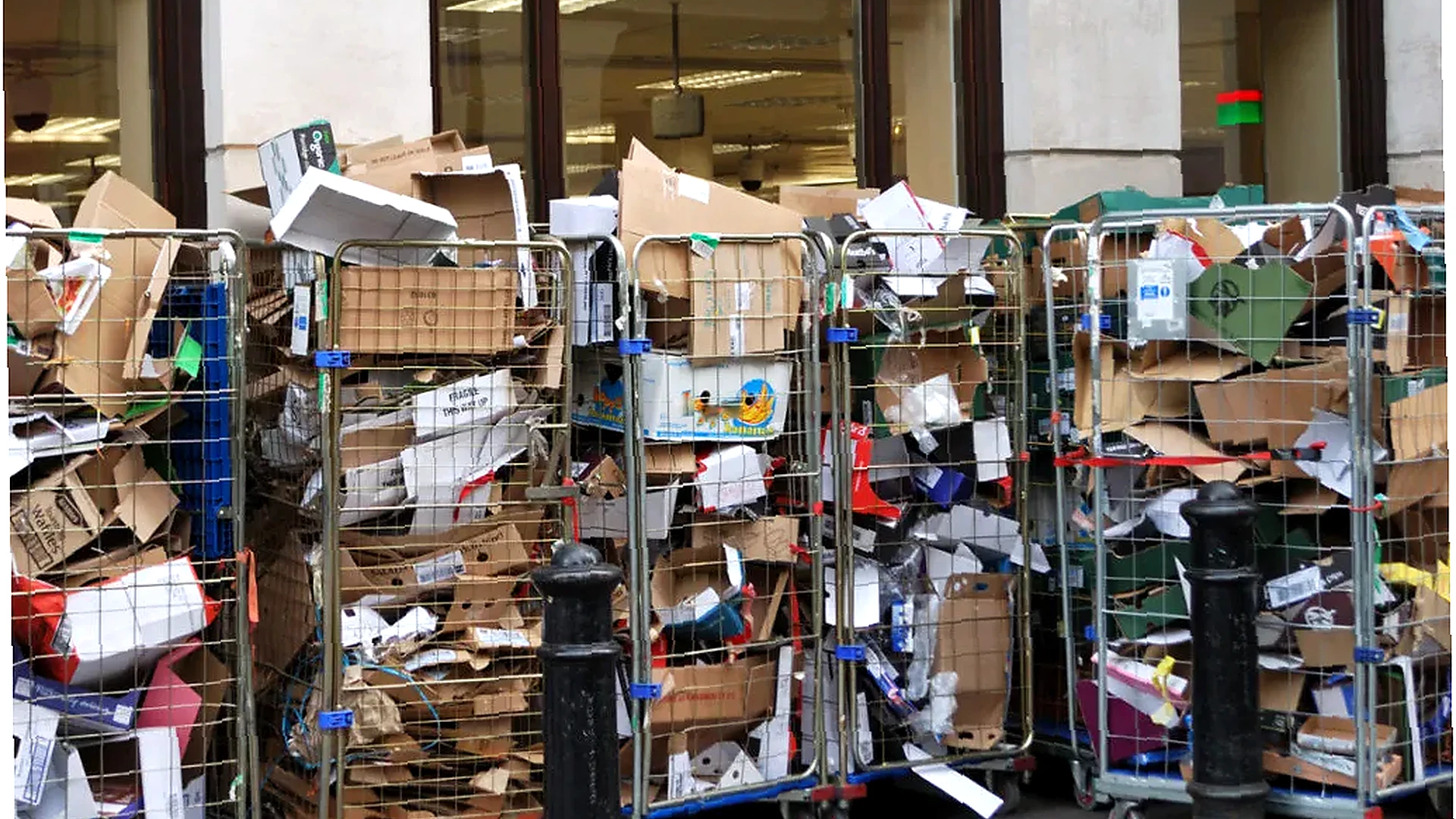
Walk into any fashion store and you are immediately surrounded by visual storytelling. From glossy posters to elaborate mannequins, the retail environment is built to inspire and influence. Yet behind the polished storefronts lies a quieter story. Every season brings a new campaign, and with it comes a cycle of printing, shipping, installing and discarding vast amounts of physical material. For an industry already under pressure to reduce its environmental footprint, this constant churn has become unsustainable.
The Hidden Waste of Traditional Retail Displays
Retail campaigns have traditionally relied on large format posters, printed banners, foam boards, mannequins, window vinyls and elaborate point of sale structures. Most of these materials are single use. After a few weeks or months, they are pulled down and replaced with something new. Even when recyclable options exist, the reality is that a significant portion of this material ends up in landfill due to contamination or lack of proper facilities.
The logistics behind these displays add another layer of impact. Heavy printed boards and mannequins are transported across regions or even continents. Each shipment contributes to carbon emissions, and the manufacturing process for these materials involves energy intensive production methods. For fashion brands that pride themselves on innovation, this outdated approach to visual merchandising is increasingly out of step with their sustainability goals.
Enter Holographic Displays
This is where Miirage holographic displays offer a transformative alternative. Rather than shipping and installing physical signage, brands can beam their campaigns directly into stores using transparent LCD holographic technology. These displays allow retailers to showcase dynamic, full scale visuals that appear to float in the space. They can feature lifelike models, animated effects or entire fashion shows, all without producing a single printed banner.
Because the content is digital, it can be updated instantly. A brand can launch a global campaign across hundreds of stores at the touch of a button. Instead of sending trucks filled with signage, they send a file. This dramatically reduces waste and lowers carbon emissions while also giving retailers unprecedented flexibility.
Reducing Seasonal Waste
Fashion operates on rapid seasonal cycles. Spring turns to summer, then autumn and winter, each with new campaigns. Traditional displays mean each cycle brings new materials. With Miirage, the same hardware remains in place while only the content changes. This shift replaces wasteful turnover with sustainable longevity.
Imagine a flagship store that previously used three large printed campaigns per season. That could amount to thousands of square meters of material annually, along with shipping crates, pallets and protective packaging. By switching to holographic displays, the only physical component is the unit itself, which can be reused for years.
Enhancing Creativity Without Compromise
Sustainability does not have to mean creative compromise. In fact, holographic displays unlock more possibilities than static signage ever could. Instead of a single frozen image, fashion brands can showcase runway moments, tell brand stories, or bring ambassadors and models to life in full size without needing them to physically be there. Campaigns become living experiences rather than disposable decorations.
This approach also aligns with how consumers now engage with brands. Shoppers expect immersive and digital experiences that mirror the dynamism of social media. Holograms create moments that people talk about and share, all while reducing environmental impact.
A Smarter Path Forward
The fashion industry has been grappling with its sustainability responsibilities for years. Reducing physical waste from retail campaigns might seem like a small step compared to overhauling supply chains or changing materials, but it is a tangible and immediate win. It is a change that does not require compromise on brand impact or creativity.
Miirage holographic displays give retailers and brands the ability to modernise their storytelling while shrinking their environmental footprint. By replacing printed materials with dynamic digital experiences, they are setting a new standard for sustainable retail marketing.
In a world where shoppers are increasingly aware of the environmental choices behind the brands they love, this matters. Sustainable storytelling is not just good ethics, it is good business.