Retail Isn’t Dead. It’s Boring.
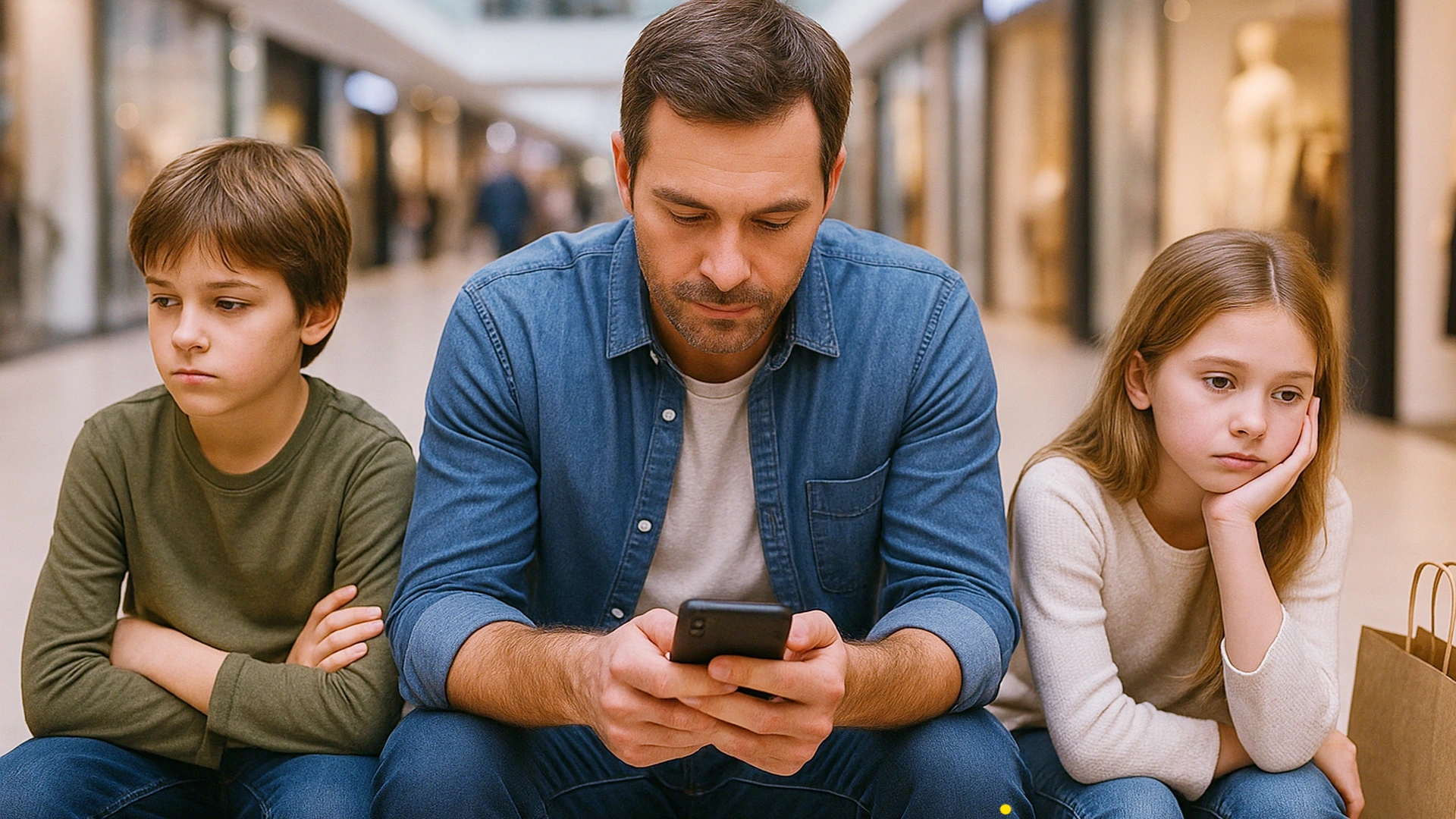
For years, headlines have claimed that physical retail is dying. The truth is simpler. Retail is not dead. It is just dull. Stores have become functional spaces focused on inventory and transactions, while online platforms have mastered convenience, personalization, and entertainment. Physical spaces have the unique power to create experiences, build communities, and spark emotion. When that potential is underused, retail environments feel flat.
Shopping Used to Be Social
Before smartphones and one-click checkouts, shopping was more than buying. It was an activity shared with others. Malls were meeting points for teenagers, parents, grandparents, and friends. People made entire afternoons of visiting stores together, browsing, trying on, discovering, and talking. A trip to the mall meant interaction, not just consumption.
According to the International Council of Shopping Centers, almost 70% of mall visitors historically went for more than products. They went to spend time with others. That social layer has faded. People still crave connection, but technology has shifted where and how they find it. Ironically, social media promised to bring people together but often isolates them in parallel digital worlds. Retail spaces are one of the few places where face-to-face, shared experiences can happen at scale.
The Psychology Behind Modern Attention
Modern consumers, especially younger generations, live in an environment of constant stimulation. Studies indicate that Gen Z checks their phones around 150 times per day. Content is delivered in rapid bursts through short-form videos, stories, and algorithmic feeds. Waiting has almost disappeared from daily life. Entertainment and feedback are instant.
When these same individuals enter a store with static displays and predictable layouts, it feels like stepping into a different century. Their brains are calibrated for speed, novelty, and interaction. A passive environment is not just unexciting. It is cognitively jarring.
Three main forces shape this dynamic:
-
Instant feedback loops. Online platforms train the brain to expect novelty and rewards every few seconds. A physical space must compete for attention within those first moments.
-
Choice overload. Endless digital shelves have taught shoppers to rely on filters, reviews, and algorithmic recommendations. Without guided discovery or interaction in-store, decision fatigue sets in fast.
-
Fragmented togetherness. While people are more connected digitally, they often share fewer physical experiences. A meaningful in-person moment stands out precisely because it has become rare.
Why Online Feels Easier
For many, shopping online has become the default not because it is more enjoyable, but because it is less mentally demanding. It removes waiting, walking, and navigating. Product comparisons, reviews, and checkouts are streamlined. In contrast, a static store requires effort with little stimulation or guidance.
The result is clear. Physical retail underperforms not because the channel is obsolete, but because the experience has fallen behind. If a visit feels like a chore, people will avoid it.
The Power of Interactive Experiences
To compete, physical spaces must shift from being passive backdrops to active stages. Experiences that invite participation change the psychological frame of shopping. They move people from wandering to engaging.
Interactive experiences can take many forms:
-
Touch or motion-activated installations that respond to a shopper’s presence, creating a sense of surprise and agency.
-
Gamified challenges with instant rewards, such as unlocking limited-time offers, points, or special content through quick tasks.
-
Live or holographic appearances by celebrities, creators, or experts that create cultural moments people want to witness and share.
-
Guided interactive storytelling, where visitors navigate product journeys through prompts, voice interaction, or sensors.
-
Social play zones where families or friends can participate together, turning downtime into shared entertainment.
These are not gimmicks. Done well, they lead to measurable impact. Industry reports have shown that experiential retail formats can increase dwell time by 20–40%, raise return intent significantly, and lift conversion rates in featured categories by 5–15%. Longer dwell means more opportunities for brand storytelling, impulse decisions, and social sharing.
Reclaiming Retail as a Social Space
Shopping centers and high streets once functioned as informal community hubs. They provided neutral spaces for intergenerational interaction. By embedding interactive experiences, retailers can revive this role.
Imagine a group of friends encountering a live performance in a store atrium, or a family engaging in a playful digital challenge together while waiting. These moments are memorable precisely because they contrast with the isolated scrolling people do elsewhere. They transform shopping from an errand into an event.
Designing Experiences for Modern Shoppers
To succeed with today’s attention patterns, experiences must be crafted with precision:
-
Hook within seconds. The first moment matters. Visuals or sounds should acknowledge passersby and invite a simple action.
-
Keep it short but meaningful. A quick interactive loop of 30 to 90 seconds works best. Long queues or complex interfaces break the flow.
-
Make it social by default. Design installations that encourage group participation or make sharing easy.
-
Blend physical and digital. Use QR codes, NFC, or personalized content handoffs to continue the interaction online without losing immediacy.
-
Measure impact. Track dwell time, participation, opt-ins, and conversion. Iteration is key to maintaining relevance.
Why This Matters Beyond Sales
The benefits of experiential retail extend beyond immediate transactions. Meaningful interactions rebuild a sense of place and community. They offer moments of shared discovery that cut through digital noise.
For families, retail spaces can become safe, climate-controlled gathering points where multiple generations interact. For young adults, they can offer cultural experiences worth attending. For brands and landlords, these interactions translate into higher footfall, longer visits, stronger loyalty, and increased revenue.
The Future of Physical Retail
The future is not about competing head-to-head with online convenience. It is about offering something online cannot replicate: presence, connection, and shared experiences. Retail has the infrastructure, footfall, and cultural positioning to make this happen. What is needed is creativity and a willingness to transform space from shelf to stage.
Retail is not dead. It is waiting to be brought back to life through engagement, interaction, and human connection. When shopping becomes enjoyable again, people return not out of necessity, but out of desire.