How Saudi Arabia Is Becoming a World-Leading Retail and Experience Destination
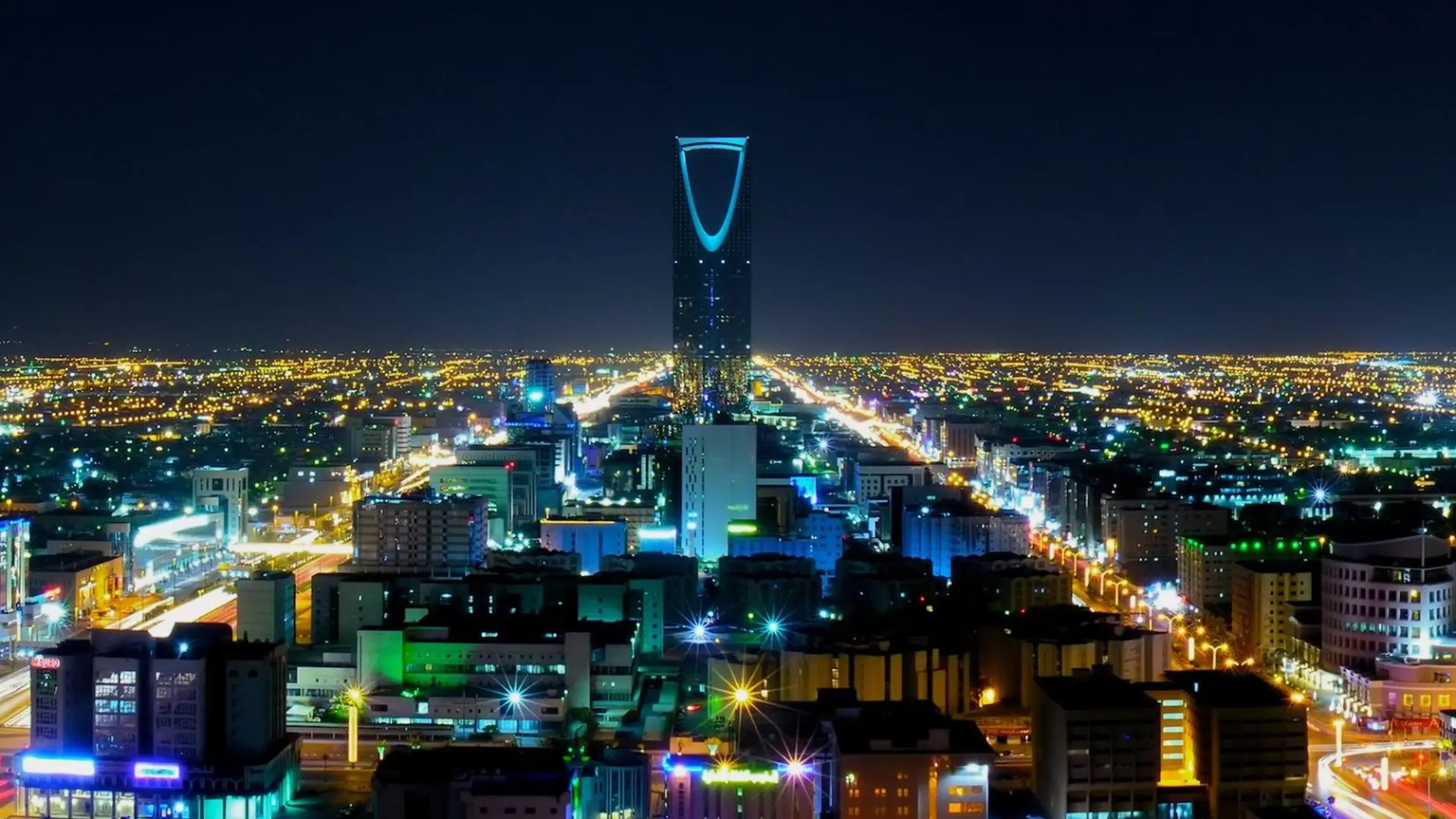
Saudi Arabia is rapidly transforming into a global retail and lifestyle destination through major investments tied to Vision 2030.
Across Riyadh, Jeddah and the Kingdom’s emerging tourism regions, an entirely new generation of destinations is taking shape. These developments are bringing together retail, hospitality, entertainment, dining, culture and technology on a scale rarely seen elsewhere.
Saudi Arabia is not simply building more shopping centres. It is reconsidering what a shopping centre, city district or visitor attraction can become.
The result is a new experience-led economy in which people are encouraged to stay longer, explore further and form stronger connections with the places and brands around them.
From Economic Diversification to Destination Building
At the centre of this transformation is Saudi Vision 2030, the Kingdom’s long-term strategy to diversify its economy, improve quality of life and develop sectors including tourism, culture, entertainment and retail.
This is already producing measurable results. Non-oil activities accounted for approximately 51% of Saudi Arabia’s real gross domestic product in 2024, according to a summary of the Vision 2030 annual report.
Tourism has expanded much faster than originally anticipated. Saudi Arabia passed its initial target of 100 million annual tourists in 2023, seven years ahead of schedule. The Kingdom subsequently increased its ambition to 150 million domestic and international tourists annually by 2030, according to the OECD’s Tourism Trends and Policies report.
In 2024, Saudi Arabia received approximately 116 million domestic and international tourists, representing annual growth of 6%. Total tourism spending reached approximately SAR 284 billion, an increase of 11% from the previous year, according to figures reported by the Saudi Press Agency.
The growth continued in 2025. Official figures published by DataSaudi recorded approximately 123 million tourists, including 29.3 million international visitors and 93.3 million domestic tourists.
These are not just tourism statistics. Each additional visitor creates demand for hotels, restaurants, transport, entertainment, cultural attractions and retail. More importantly, it creates demand for places that can deliver several of these experiences at once.
The Traditional Shopping Centre Is Being Reinvented
For decades, the conventional shopping centre was designed around a relatively simple journey: arrive, browse, purchase and leave. Saudi Arabia’s new retail developments are being conceived very differently.
Shopping remains important, but it is increasingly surrounded by restaurants, live events, family entertainment, public spaces, premium hospitality, cultural programming and digitally enhanced experiences. The objective is no longer simply to increase footfall. It is to create destinations that people actively choose to visit, revisit and recommend.
Westfield Riyadh provides a clear example of this shift. The forthcoming destination is planned to offer approximately 185,000 square metres of gross leasable area, more than 300 brands, over 75 flagship stores, four food and beverage zones and extensive entertainment. It is expected to welcome more than 20 million visitors annually.
The arrival of the Westfield brand is significant in itself. Under an agreement between Cenomi Centers and Unibail-Rodamco-Westfield, as many as eight Saudi shopping centres could adopt the Westfield name. The initial partnership has a ten-year term with an option for a further ten years, according to Unibail-Rodamco-Westfield.
This is evidence of Saudi Arabia’s increasing importance to the international retail industry. Global operators are no longer viewing the Kingdom simply as an emerging market. They are treating it as a place in which the next generation of retail destinations can be created.
Retail Is Becoming Part of a Larger Experience Economy
Saudi Arabia’s retail transformation cannot be separated from the rapid growth of its entertainment, hospitality and cultural sectors. The Quality of Life Program, one of the programmes established to deliver Vision 2030, is supporting the development of culture, tourism, sport and entertainment across the Kingdom.
These sectors reinforce one another. A major sporting event attracts visitors. Those visitors need accommodation and transport. They dine in restaurants, explore nearby attractions and spend money in retail environments. A cultural district can support hotels, boutiques, galleries and dining. A shopping destination can use entertainment and events to increase dwell time and encourage repeat visits.
Consumer behaviour supports this convergence. Together, retail and food and beverage represented almost 45% of point-of-sale spending during the first quarter of 2025. Restaurant and café spending alone accounted for 29% of transactions and reached SAR 99 billion, according to Knight Frank’s Saudi retail and food and beverage analysis.
Retail destinations therefore have an opportunity to capture a much broader range of activity than the purchase of physical products alone. The most successful developments will be places where shopping, dining, socialising, entertainment and discovery feel like parts of one connected journey.
Heritage and Modernity Are Being Brought Together
Saudi Arabia’s destination strategy is particularly compelling because it is not based only on futuristic architecture. The Kingdom is also turning its history, culture and identity into the foundation for new visitor experiences.
Diriyah, the historic home of the first Saudi state and the location of the UNESCO World Heritage Site at At-Turaif, is being developed as a major cultural and lifestyle destination.
Rather than isolating the historic site from contemporary life, Diriyah combines heritage with restaurants, hospitality, events, public spaces and retail. Bujairi Terrace brings together Saudi architecture, international dining and views of At-Turaif in a pedestrian-focused environment. Diriyah’s official visitor platform positions the area as a meeting point between the Kingdom’s past and its future.
This combination could become one of Saudi Arabia’s greatest competitive advantages. Many global destinations can build luxury stores and entertainment venues. Far fewer can combine new development with a distinctive national story, living traditions and places of genuine historical importance.
Entire Cities Are Being Designed Around Experience
Saudi Arabia’s ambitions extend far beyond individual malls. The Public Investment Fund’s giga-project portfolio includes destinations centred on entertainment, tourism, culture, sport and new forms of urban living.
Qiddiya City describes itself as the world’s first city built for play. Its proposition brings together theme parks, sport, gaming, culture, hospitality and retail within a single destination.
New Murabba, meanwhile, is planned as a new mixed-use downtown for Riyadh. Its master plan includes more than 1.4 million square metres of retail space and over 10,000 hotel rooms, alongside offices, homes, museums, theatres, restaurants and entertainment facilities, according to the New Murabba development.
What makes these plans important is not simply their physical size. It is the philosophy behind them. Retail is no longer being added to a city as a separate function. It is being integrated into how people move, work, relax, discover and interact.
This creates opportunities for international brands, but it also raises expectations. A conventional store transplanted into an extraordinary destination may struggle to feel relevant. Brands will need to think more carefully about theatre, localisation, personalisation and participation.
For the most ambitious Saudi destinations, the visitor journey can be strengthened through:
- Multilingual visitor information and AI-powered assistance
- Interactive wayfinding across large and complex environments
- Immersive brand storytelling and product demonstrations
- Connected event promotion, destination media and advertising
Technology Will Become Part of the Destination Itself
As Saudi destinations become larger and more experience-led, technology will play a growing role in helping visitors understand and navigate them. Digital wayfinding, interactive information, multilingual assistance, immersive advertising and AI-powered customer service can turn a complex destination into a more intuitive environment.
This is where holographic and spatial technologies can make a meaningful contribution. A holographic AI assistant can welcome visitors, answer questions in multiple languages, explain attractions, provide directions and recommend relevant shops, restaurants or events. The same display can also become a high-impact media platform when it is not being used for wayfinding or customer service.
This is especially relevant in Saudi Arabia, where destinations are becoming larger, international visitor numbers are rising and the boundaries between retail, tourism and entertainment are disappearing.
A screen can deliver information. A physical member of staff can deliver human presence. Holographic AI has the potential to combine the scalability of a digital system with a far stronger sense of presence, personality and engagement.
At Miirage, we believe this type of technology will become increasingly important as destinations compete not only for visitors, but also for their attention.
A Major Opportunity for Global Brands
Saudi Arabia’s transformation presents an enormous opportunity, but success will require more than simply entering the market.
Brands must understand that the Kingdom is developing its own model of experiential retail. This model is shaped by Saudi culture, a young and digitally connected population, strong domestic demand and rapidly growing international tourism.
The strongest concepts will combine global quality with local relevance. They will use technology to improve the customer journey rather than adding it as a novelty. They will also recognise that their store, activation or media campaign forms part of a much larger destination experience.
Retailers will increasingly compete on what people can see, do, share and remember, not only on what they can buy. For property owners and destination operators, experience-led environments can increase dwell time, support premium advertising, create new revenue streams and build stronger relationships with visitors.
Saudi Arabia Is Not Following the Future of Retail
Saudi Arabia’s retail and experience economy is still developing, and the scale of its plans inevitably brings challenges. Projects must be delivered sustainably, commercially and in ways that continue to serve local communities.
However, the direction is unmistakable. Tourism is growing. International brands are entering the market. New cultural and entertainment sectors are taking shape. Shopping centres are evolving into mixed-use destinations, while entire districts are being designed around experience from the outset.
Saudi Arabia is not simply attempting to reproduce the established retail models of London, New York, Singapore or Dubai. It is using the scale and ambition of Vision 2030 to develop something different: destinations where commerce, culture, hospitality, entertainment and technology operate as one connected ecosystem.
If that ambition is successfully translated into consistently excellent visitor experiences, Saudi Arabia will not merely join the world’s leading retail and lifestyle destinations. It will help define what the next generation of them looks like.
Saudi Arabia is not simply building more places to shop. It is creating a new global model for destinations people can experience.Further Reading
- Saudi Vision 2030 Overview
- Saudi Vision 2030 Quality of Life Program
- OECD Tourism Trends and Policies: Saudi Arabia
- Saudi Press Agency: Tourism Performance in 2024
- DataSaudi Tourism Statistics
- Cenomi Centers: Westfield Riyadh
- Unibail-Rodamco-Westfield and Cenomi Centers Partnership
- Knight Frank: The Saudi Report 2025, Retail and Food and Beverage
- Official Diriyah Visitor Platform
- Public Investment Fund Giga-Projects
- Qiddiya Investment Company
- New Murabba Official Development